
Garden pests are a common concern for homeowners and gardeners across the UK. The country’s temperate maritime climate, characterised by mild winters, frequent rainfall and relatively cool summers, creates favourable conditions for a wide range of pests.
Preventing garden pests in the UK requires an understanding of these local conditions and a practical approach that prioritises plant health, balance and long-term control.
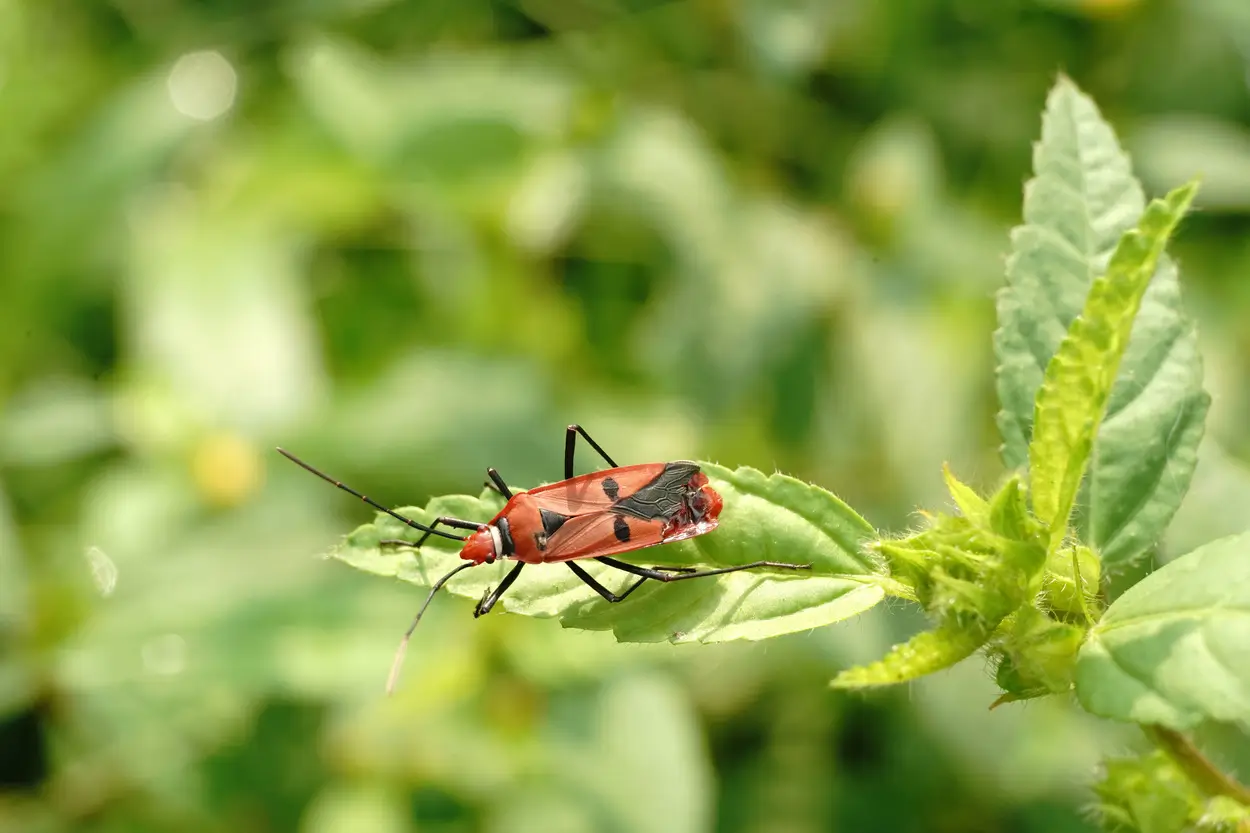
What counts as garden pests in the UK?
Garden pests in the UK include insects, molluscs, mammals and birds that damage plants, lawns, fruit trees or vegetable crops. Because British gardens often border hedgerows, woodlands or farmland, pests can move easily between natural habitats and cultivated spaces.
Damage may appear as holes in leaves, chewed stems, wilting plants or eaten fruit and vegetables. Some pests cause slow, ongoing damage, while others can devastate a garden in a single growing season if conditions are favourable.
Why is preventing garden pests better than reacting later?
Preventing garden pests is generally more effective than trying to eliminate them after they have become established. The UK’s mild winters allow many pests to survive year-round, leading to earlier activity in spring and faster population growth.
A preventive approach reduces the need for chemical treatments and helps protect beneficial insects such as bees and butterflies. It also supports stronger plants that are better able to tolerate occasional pest pressure without suffering lasting damage.
Which garden pests are most common in UK gardens?
Certain pests are particularly widespread in the UK due to climate and gardening practices.
Insects and slugs
Aphids are among the most common garden pests in the UK, affecting roses, fruit trees, ornamental plants and vegetables. They feed on plant sap and can transmit plant diseases.
Caterpillars, flea beetles and vine weevils are also frequent problems, especially in vegetable patches and container gardens. Slugs and snails thrive in the UK’s damp conditions and can cause severe damage, particularly in spring and autumn.
Soil-dwelling pests
Leatherjackets, chafer grubs and other larvae live in the soil and feed on roots and grass. Lawns often show signs of damage first, with patches of yellowing grass or turf that lifts easily.
Larger animals
Rabbits, deer, foxes, pigeons and rodents are common in many parts of the UK. They can eat young plants, damage fruit trees and disturb soil, particularly in rural or suburban gardens.
How do garden pests get established?
Garden pests are attracted to environments that provide food, shelter and moisture.
Dense planting, poor drainage and limited air circulation create ideal conditions for pests and plant diseases. Plants weakened by nutrient deficiencies, water stress or unsuitable planting positions are more likely to be targeted.
Pests can also be introduced through new plants, compost, soil or garden tools if they are not checked carefully before use.
How important is plant health in preventing garden pests?
Healthy plants are far more resistant to pest damage. In UK gardens, this means choosing plants suited to local soil types and exposure, whether coastal, urban or rural.
Excessive use of nitrogen-rich fertilisers encourages soft, leafy growth that attracts aphids and caterpillars. Balanced feeding and appropriate watering help plants develop stronger tissues and natural defences.
Using varieties known to perform well in the UK climate can significantly reduce recurring pest problems.
Can garden design help prevent pests?
Garden layout plays an important role in pest prevention.
Spacing and airflow
Allowing sufficient space between plants improves air circulation and reduces humidity, making conditions less favourable for pests and fungal diseases.
Crop rotation in vegetable gardens
Crop rotation is particularly valuable in UK allotments and kitchen gardens. Growing the same crops in the same place each year encourages soil-borne pests to build up. Rotating plant families disrupts their life cycles.
Companion planting
Certain plants can help deter pests or attract beneficial insects. Herbs such as rosemary, thyme and mint are commonly used in UK gardens, while flowering plants support pollinators and natural predators.
Why are beneficial insects essential in UK gardens?
Beneficial insects are a key part of natural pest control in the UK.
Ladybirds, lacewings, hoverflies and parasitic wasps feed on common pests such as aphids and caterpillars. Encouraging these species reduces the need for intervention.
Planting a diverse range of flowering plants and avoiding broad-spectrum pesticides helps create a supportive environment for beneficial insects throughout the growing season.
How does garden hygiene reduce pest problems?
Good garden hygiene is an effective preventive measure.
Dead plant material, fallen fruit and weeds provide shelter and overwintering sites for pests. In the UK, many pests survive winter in garden debris and become active again early in spring.
Cleaning tools, pots and greenhouses helps prevent the spread of pests and plant diseases between different areas of the garden.
Are chemical pesticides necessary in UK gardens?
Chemical pesticides are rarely necessary when preventive measures are in place. In the UK, integrated pest management approaches are widely recommended.
When chemicals are used, they should be approved for domestic use and applied carefully to minimise harm to wildlife, soil health and water quality. Overuse can lead to pest resistance and disrupt garden ecosystems.
How does regular monitoring support prevention?
Regular inspection of plants allows gardeners to detect early signs of pest activity.
Discoloured leaves, holes, sticky residue or slime trails often indicate the presence of pests. In the UK’s changeable weather, pest populations can increase quickly, making early detection especially important.
Early intervention often allows problems to be resolved with simple, non-chemical methods.
How does the UK climate influence garden pests?
The UK climate strongly influences pest activity.
Mild winters enable many pests to survive and emerge earlier each year. Wet springs and summers favour slugs, snails and fungal diseases, while warm spells accelerate insect reproduction.
By adapting preventive strategies to local weather patterns and seasonal conditions, gardeners can reduce pest pressure and maintain healthier, more resilient gardens over time.
Source: pestlex.com