
Definition: Essential oils are also known as essential oils, but are not actually oils; they are extracts of plants that may be mixed with oils. Most plant extracts do not contain any fats in themselves. It's almost impossible to find a definitive definition of what essential oils are, but two good guesses include: “highly concentrated constituents that possess potential medicinal and cosmetic qualities” (Valerie Gennari Cooksley) and ‘I consider essential oils to be the life force or soul of the plant’ (Stephanie Tourles).
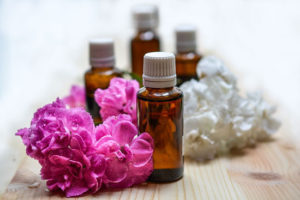
Uses: Essential oils are commonly used in three ways; massage, inhalation and ingestion. However, oils are also used in industry and are often added to personal care products, foods, etc. for their properties as well as flavors and scents. The two main purposes of using oils are to improve our appearance and increase our well-being.
Properties: Most oils have an inhibitory effect on bacteria, viruses and fungi. These properties are the main reasons why they have been used for healing purposes for thousands of years. These properties have also been instrumental in making the oils popular in commercial skincare products.
Effect: It has been proven in numerous scientific studies that essential oils have a relaxing effect on the body when inhaled. This is one of the basic concepts of aromatherapy. There is also a single study that has shown that inhaling oil vapors can stimulate brain activity in humans and that this can, among other things, improve certain parts of memory under certain circumstances. However, essential oils have a myriad of other documented effects, which you can read more about in the respective articles for each oil (see the various links on this page).
Lack of research: Because plant oils cannot be patented, the pharmaceutical industry spends almost no resources on researching the oils and their properties. This limits our knowledge of their true effects and potential, and also makes it difficult to find useful information about their qualities. The knowledge we have about oils today comes primarily from two sources; countless people's experiences with different uses of oils over the last few thousand years and recent scientific studies conducted by researchers from universities, companies and the like.
Production of the oils: It takes huge amounts of plant material to produce even a small amount of oil. The amount of material needed to produce a given amount of oil depends on the type of plant, but one of the most demanding is rose oil, where up to 2 tons of rose petals can be used to produce 1 kg (about 1 liter) of finished oil! Although the majority (around 70%) of the world's rose oil is produced in Bulgaria, where prices are generally low, rose oil is still very expensive due to the high production costs. This is also true for many oils and if you want a high-quality organic oil, you have to pay the price.
Safety: When buying an essential oil, you should always read the instructions on the packaging before use. Keep in mind that some oils are suitable for ingestion while others are not. In addition, be aware that not all oils are suitable for direct application to the skin; very often they need to be diluted with a base oil. You should also be aware that many oils are phototoxic and can cause skin damage if you apply them and then spend time in direct sunlight. In addition, remember that everyone's skin can react differently to different types of oils – so it's always recommended that you start by trying new oils on a small area of skin before applying them to larger areas. Finally, it should be mentioned that pregnant and breastfeeding mothers and children should be careful when using essential oils.
Articles about oils
You can find all our articles about essential oils here:
- Neem oil (neem oil)
- Flaxseed oil
- Coconut oil
- Smoke points (smoke points) for oils
- Thyme oil
- Vitamin E oil
- Thistle oil
- Safflower oil
- Tea tree oil
- Rosemary oil
- Avocado oil
- Basil oil
- Bergamot oil
- Cedarwood oil
- Citronella oil (citronella oil)
- Citrus oils
- Pine needle oil (fir oil)
- Castor oil (holly oil)
- Pomegranate oil
- Eucalyptus oil (Eucalyptus oil)
- Geranium oil
- Almond oil
- Hemp oil (hemp seed oil)
- Borage oil (borage oil)
- Ginger oil
- Base oils
- Jojoba oil
- Chamomile oil
- Lavender oil
- Giant evening primrose oil (evening primrose oil)
- Patchouli oil
- Peppermint oil
- Japanese peppermint oil
- Mint oil
- Caraway oil
- Black cumin oil
- Jasmine oil
- Castor oil
- Orange oil
- Apricot kernel oil (apricot oil)
- Lemon oil