
Garden pests are a common challenge for homeowners, hobby gardeners, and professional growers alike. Preventing garden pests is not about eliminating all insects, but about maintaining balance, protecting plant health, and reducing damage before it becomes severe. A solid understanding of why pests appear and how prevention works is essential for long-term success in any garden.
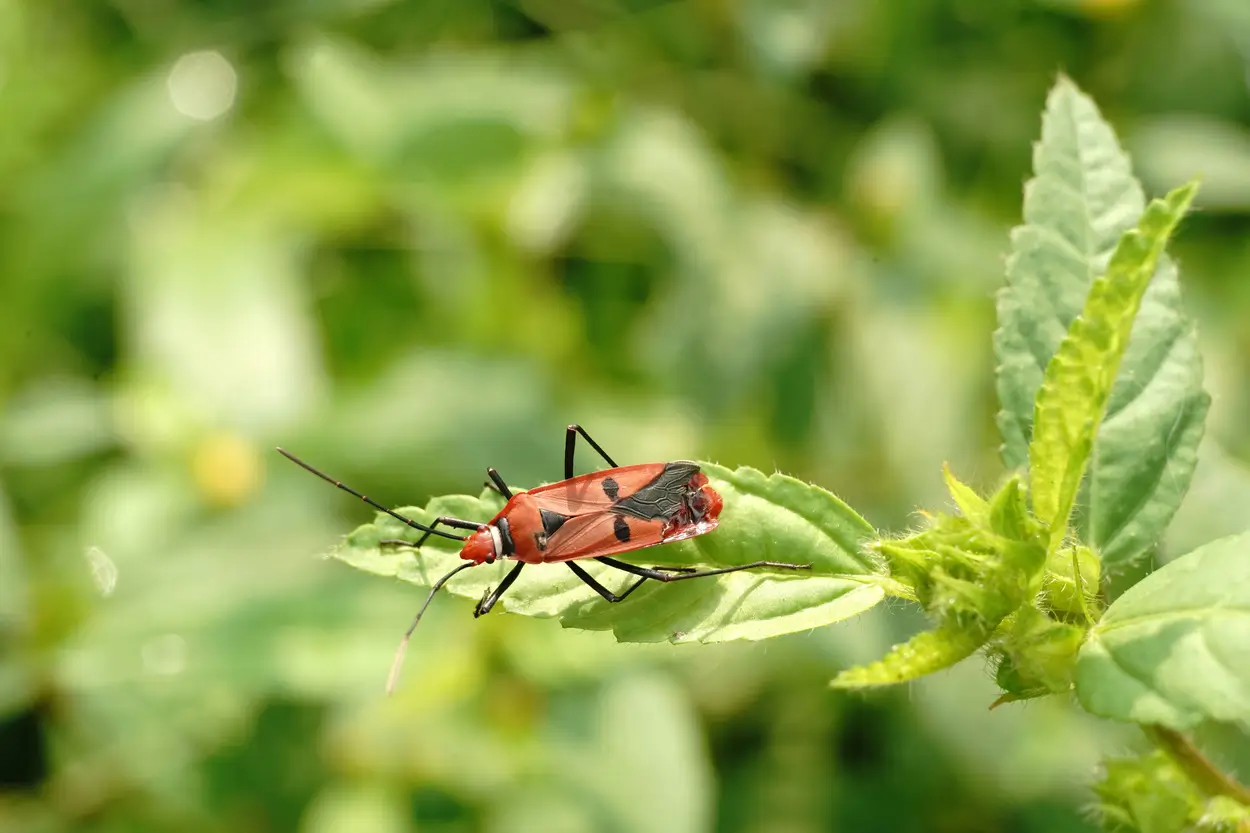
What are garden pests and how do they affect plants?
Garden pests are insects, animals, or organisms that damage plants by feeding on leaves, stems, roots, flowers, or fruit. Some pests weaken plants gradually, while others can destroy crops in a short time if left unmanaged.
Damage caused by garden pests often goes beyond cosmetic issues. Pests can stunt growth, reduce yields, spread plant diseases, and compromise the overall resilience of a garden. In severe cases, repeated infestations may lead to soil imbalance or long-term plant decline.
Why is preventing garden pests more effective than treatment?
Preventing garden pests is generally more effective and sustainable than reacting after damage occurs. Once pests establish themselves, they often reproduce quickly and spread across multiple plants.
Preventive strategies focus on making the garden less attractive or accessible to pests. This reduces the need for chemical interventions, lowers costs, and helps protect beneficial insects such as pollinators and natural predators.
Early prevention also minimizes stress on plants, allowing them to grow stronger and better withstand occasional pest pressure.
Which garden pests are most common?
Understanding common garden pests helps identify risks before infestations escalate.
Insect pests
Aphids, caterpillars, beetles, whiteflies, and spider mites are among the most widespread insect pests. They feed on plant sap or tissue and often target specific plant types. Aphids and whiteflies are also known for spreading plant viruses.
Soil-dwelling pests
Grubs, nematodes, and cutworms live in or near the soil and attack plant roots or stems at ground level. Because they are hidden, their damage is often detected only after plants begin to wilt or collapse.
Animal pests
Rabbits, deer, rodents, birds, and slugs can cause significant garden damage. These pests may feed on leaves, fruit, seeds, or bark and are particularly problematic in gardens near natural habitats.
How do garden pests find their way into gardens?
Garden pests are attracted by food availability, shelter, and favorable environmental conditions.
Overcrowded plants, excessive moisture, and poor airflow create ideal environments for insects and fungi. Weakened or stressed plants emit chemical signals that pests can detect, making them more likely targets.
Pests can also be introduced through contaminated soil, compost, tools, or newly purchased plants that already carry eggs or larvae.
What role does plant health play in preventing garden pests?
Healthy plants are naturally more resistant to pests. Strong root systems, proper nutrition, and adequate sunlight help plants defend themselves against feeding and disease.
Over-fertilization, particularly with nitrogen-rich fertilizers, can promote soft, fast-growing foliage that attracts insects like aphids and caterpillars. Balanced fertilization supports steady growth and reduces pest appeal.
Regular watering practices are equally important. Both drought stress and overwatering weaken plants and increase vulnerability to pest infestations.
Can garden design help prevent pests?
Garden layout plays a significant role in preventing garden pests.
Spacing and airflow
Proper spacing between plants improves air circulation and reduces humidity, making conditions less favorable for pests and fungal diseases.
Crop rotation
Rotating crops each season prevents pests from establishing long-term populations in the soil. Many pests specialize in specific plant families and struggle to survive when their preferred host is absent.
Companion planting
Certain plants naturally repel pests or attract beneficial insects. For example, marigolds are known to deter nematodes, while herbs like basil and rosemary can discourage some insect species.
Why are beneficial insects important in pest prevention?
Not all insects are harmful. Beneficial insects play a crucial role in preventing garden pests naturally.
Ladybugs, lacewings, predatory beetles, and parasitic wasps feed on common garden pests and help keep populations under control. Encouraging these insects reduces reliance on chemical treatments.
Planting a variety of flowering plants, avoiding broad-spectrum pesticides, and providing shelter such as hedges or insect habitats can support beneficial insect populations.
How does sanitation reduce garden pest problems?
Good garden hygiene is a key preventive measure.
Removing dead plant material, fallen fruit, and weeds eliminates hiding places and breeding sites for pests. Many insects overwinter in plant debris, emerging in large numbers the following season.
Cleaning tools and containers prevents the spread of pests and diseases between plants. Composting should be managed carefully to avoid attracting rodents or harboring pests.
Are chemical pesticides necessary for preventing garden pests?
Chemical pesticides are not always necessary and should be used cautiously.
Preventing garden pests through cultural and biological methods is often sufficient for home gardens. When chemicals are used, targeted treatments are preferable to broad-spectrum products, which can harm beneficial organisms.
Overuse of pesticides can lead to resistance, making pests harder to control over time. It can also disrupt the natural balance of the garden ecosystem.
How does monitoring help with early pest prevention?
Regular monitoring allows gardeners to detect problems early, when intervention is easier and less disruptive.
Inspecting plants for discoloration, holes, sticky residue, or unusual growth patterns helps identify pest activity before it spreads. Checking the undersides of leaves and soil surface is particularly important, as many pests hide there.
Early detection supports preventive action rather than reactive treatment.
Do weather and climate influence garden pests?
Weather conditions strongly affect pest populations.
Warm temperatures accelerate insect reproduction, while prolonged humidity favors slugs, snails, and fungal diseases. Mild winters allow more pests to survive into the next growing season.
Understanding local climate patterns helps gardeners anticipate pest pressure and adjust preventive measures accordingly.
What are the long-term benefits of preventing garden pests?
Preventing garden pests leads to healthier plants, higher yields, and more resilient gardens. It reduces the need for chemical inputs and supports biodiversity.
A preventive approach saves time and resources while promoting a sustainable gardening practice that benefits both plants and the surrounding environment. By focusing on prevention, gardeners create conditions where pests are less likely to thrive and plants can grow to their full potential.
Source: pestlex.com